
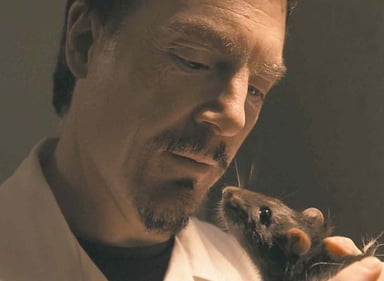
James Pfaus
James Pfaus, Ph.D.
Životopis
James Pfaus, Ph.D., získal bakalářský titul v oboru psychologie (1983) na American University ve Washingtonu, D.C., a magisterský (1986) a doktorský titul (1990) v oboru behaviorální neurovědy na University of British Columbia ve Vancouveru v Kanadě pod vedením Dr. Borise Gorzalky, Dr. Johna Pinela a Dr. Anthonyho Phillipse. Po dvouletém postdoktorandském pobytu v oboru molekulární biologie v laboratoři Dr. Donalda Pfaffa na Rockefellerově univerzitě v New Yorku nastoupil do Centra pro studium behaviorální neurobiologie na katedře psychologie Concordia University v Montrealu v Kanadě, kde se v roce 2004 stal řádným profesorem. V roce 2018 opustil Concordia, aby se věnoval výzkumu jako hostující vědec u svých dlouholetých spolupracovníků v Instituto de Investigaciones Cerebrales na Universidad Veracruzana v Xalapě v Mexiku. Od roku 2021 působí na Katedře psychologie a věd o živé přírodě Filozofické fakulty Univerzity Karlovy v Praze a jako ředitel výzkumné divize Centra pro sexuální zdraví a intervence na NUDZ.
Svůj výzkum provádí na potkanech a lidech ve snaze pochopit, jak je mozek a jeho neurochemické systémy organizovány pro základní sexuální reakce, jako je vzrušení, touha, sexuální rozkoš a orgasmus, sexuální inhibice a znechucení. Jeho práce také objasnila neurální a molekulární mechanismy, jimiž podmíněné sexuální reakce posilují sexuální preference a reprodukci a jak přispívají k rozvoji fetišů a parafilií. Za tuto práci obdržel několik prestižních mezinárodních ocenění. Publikoval více než 260 recenzovaných vědeckých článků a kapitol v knihách o neurobiologii sexuálního chování u žen a mužů a jeho práce vedla k vývoji nových léků na léčbu sexuálních dysfunkcí a způsobů, jak kompenzovat účinky léků, které mají oslabující vedlejší účinky na sexualitu. Poskytl stovky rozhovorů v televizi, rozhlase a na sociálních médiích a jeho práce byla představena ve filmech a dokumentárních pořadech. Je šéfredaktorem časopisu Current Sexual Health Reports, spoluredaktorem časopisů Frontiers in Behavioral Neuroscience a Sexual Medicine Reviews a působí v redakčních radách dalších vědeckých časopisů v oblastech sexuality, neurovědy a farmakologie. Je členem představenstva a členem Mezinárodní společnosti pro studium sexuálního zdraví žen, členem Mezinárodní a Evropské společnosti pro sexuální medicínu, České neurovědecké společnosti, Společnosti pro neurovědu a Mezinárodní akademie pro výzkum sexuality, v níž v letech 2016–2017 působil jako prezident.
Publikace
Peer-reviewed papers, past 5 years:
2026
Pfaus, J.G., & Balon, R. (2026). Should bremelanotide be considered for the treatment of sexual arousal and desire disorders in men? Journal of Clinical Psychopharmacology, 46(3), 245-248.
Pfaus, J.G., & Yee, A. (2026). Post-Orgasmic Illness Syndrome (POIS): Potential role of mast cells, immunoglobulins, and multi-organ system inflammatory response. Sexual Medicine Reviews, in press.
Pfaus, J.G., Erez, R., Erez. N., & Novák, J. (2026). Non-genitally stimulated orgasms increase plasmaprolactin in a menopausal woman. International Journal of Sexual Health, 38(2), 404-408.
Encarnación-Sánchez, J.L., González-Flores, O., García-Juárez, M, Aguilar-Pérez, C.E., Tlachi-López, J.L., Pfaus, J.G., & Domínguez-Ordóñeza, R. Functional and morphological alterations in animal models of valproic acid exposure. Neuroscience and Biobehavioral Reviews, 187, 106772.
Luna-Hernández, A., Domínguez-Ordóñeza, R., García-Juáreza, M., Encarnación Sánchez, J.L., Tlachi-López, J.L., Pfaus, J.G., & González-Flores, O. Apelin-13 induces lordosis behavior in estradiol-primed ovariectomized rats via the activation of multiple protein kinases in the ventromedial hypothalamus (VMH). Physiology & Behavior, 308, 115249.
Regis, M.P., & Pfaus, J.G. (2026). From sedation to stimulation: Anecdotal case reports of sexual arousal in women and men taking diphenhydramine hydrochloride. Sexual Medicine, 14(2), qfag011.
Zakreski, E., Marečková, A., Vaníček, O., Hůla, M., Klapilová, K., & Pfaus, J.G. (2026). Subjective responses of gynephilic men and women to real versus artificial female nudes. Archives of Sexual Behavior, 55(1):329-343.
2025
Pfaus J.G. (2025). Orgasms, sexual pleasure, and opioid reward mechanisms. Sexual Medicine Reviews, 13(3), 381-393. Winner, 2025 Best Paper Silver Prize, Sexual Medicine Reviews, International Society for Sexual Medicine.
Pfaus, J.G., & Špinka, M. (2025). Not to be forgotten: Jaroslav Madlafousek’s important contributions to sex research. Archives of Sexual Behavior, 54(8), 3071-3078.
Pfaus, J.G., Zakreski, E., & Quintana, G.R. (2025). Yes, sex and gender have separate identities! Archives of Sexual Behavior, 54(10), 3883-3886.
Pfaus, J.G., Garcia-Juárez, M., Domínguez Ordoñez, R., Tecamachaltzi Silvaran, M., Lucio, R.A., & González-Flores, O. (2025). Cellular and molecular mechanisms of action of ovarian steroid hormones. II: Regulation of sexual behavior in female rodents. Neuroscience and Biobehavioral Reviews, 168, 105946
Burr, E., Roytman, M., Poirer, É., Kolbuszewska, M., Komisaruk, B.R., Pfaus, J.G., Goldstein, I., & Rubin, R. The use of tirzepatide to successfully treat Persistent Genital Arousal Disorder/Genitopelvic Dysesthesia: A case report. Sexual Medicine, 13(4):qfaf073.
Domínguez-Ordóñez, R., García-Juárez, M., Encarnación-Sánchez, J.L., Téllez-Agulo, B., Palafox-Moreno, J., Luna-Hernández A., Pfaus, J.G., & González-Flores, O. (2025). Apelin-13 elicits lordosis behavior in female rats through the oxytocin/prostaglandin E2/GnRH signaling system. Hormones and Behavior, 173, 105774.
Germé, K., Persad, D., Petit-Robinson, J., Amir, S., & Pfaus, J.G. (2025). Disruptive effects of d-amphetamine on conditioned sexual inhibition in the male rat. Psychopharmacology, 242(9), 2097-2110.
Kim, N.N., Wessells, H., DiSanto, M.E., Ferrini, M.G., Lin, G., Pfaus, J.G., Priviero, F., Yong, P.J., & Podlasek, C.A. (2025). Basic Science and Translational Research: Recommendations from the Fifth International Consultation on Sexual Medicine (ICSM 2024). Sexual Medicine Reviews,13(4):483-512.
Kolena, B., Hlisníková, H., Nagyová, M., Orendáčová, K., Vondráková, M., Petrovičová, I., Mlynček, M., Weiss, P., & Pfaus, J.G. (2025). Endocrine effect of phthalate metabolites and the butterfly effect of prenatal exposure to androgens on qualitative aspects of female sexual function - an initial survey. International Journal of Impotence Research, 37(4), 329-337.
Perelman, M.A., Giraldi, A., Fisher, W.A., Wittman, D.A., Parish, S.J., Bober, S., Pastuszak, A.W., & Pfaus, J.G. (2025). How has the biopsychosocial model fared in sexual medicine and sex therapy? Sexual Medicine Reviews, 13(4), 663-673.
2024
Pfaus, J.G., Zakreski E. (2024). Auditory cues alter the magnitude and valence of subjective sexual arousal and desire induced by an erotic video. Archives of Sexual Behavior, 53, 1065-1073.
Pfaus, J.G., Antonie, R.A., Dosa, P.I., & Kim, S.W. (2024). Effects of cabergoline and dimethylcabergoline on the sexual behavior of male rats. Psychopharmacology, 241, 717-726.
Barradas-Moctezuma, M., Herrera-Covarrubias, D., García, L.I., Carrillo, P., Pérez-Estudillo, C.A., Manzo, J., Pfaus, J.G., & Coria-Avila, G.A. (2024). Cohabitation with receptive females under D2-type agonism in adulthood restores partner preference and brain dimorphism of the SDN-POA following neonatal gonadectomy in male rats. Psychoneuroendocrinology, 163, 106988.
Brideau-Duquette, M., Saint-Pierre Côté, S., Pfaus, J.G., & Renaud, P. (2024). First probe into frontal EEG dynamic cross-entropy associated with virtual sexual content. Intelligent Human Systems Integration, 119, 110-119.
Briken, P., Bőthe, B., Carvalho, J., Coleman, E., Giraldi, A., Kraus, S.W., & Lew-Starowicz, M., & Pfaus, J.G. (2024). Assessment and treatment of Compulsive Sexual Behavior Disorder: A sexual medicine perspective. Sexual Medicine Reviews, 12, 355-370.
Germé, K., & Pfaus, J.G. (2024). Acute ethanol disrupts conditioned sexual inhibition in the male rat. Psychopharmacology, 241, 2061-2071.
González-Flores, O., Garcia-Juárez, M., Tecamachaltzi Silvaran, M., Domínguez Ordoñez, R., Lucio, R.A., & Pfaus, J.G. (2024). Cellular and molecular mechanisms of action of ovarian steroid hormones. I: Regulation of central nervous system functions. Neuroscience and Biobehavioral Reviews, 167,105937.
González-Flores, O., Domínguez-Ordóñez, R., Delgado-Macuilc, R.J., Tlachi-Lópeza, J.L., Luna-Hernández, A., Montes-Narváezd, O., Pfaus, J.G., & García-Juárez, M. (2024). Participation of kisspeptin, progesterone and GnRH receptors on lordosis behavior induced by kisspeptin. Physiology & Behavior, 283, 114609.
Javik Dorantes-Barrios, C., Reyes-Meza, V., Camacho-Candia, J.A., Pfaus, J.G., & González-Florez, O. (2024). Influence of environmental enrichment on sexual behavior and the process of learning and memory in a rat model of autism with valproic acid. Brain Research, 1827, 148738.
Quintana, G.R., & Pfaus, J.G. (2024). Do sex and gender have separate identities? Archives of Sexual Behavior, 53, 2957-2975.
2023
Pfaus, J.G. (2023). The cancer of Cancel Culture: Spreading “correct” scientific ideologies across North American academia. Archives of Sexual Behavior, 52, 43-47.
Pfaus, J.G. (2023). Neuroelectrical activity and sexual stimuluation: Deconstructing a Tower of Babel. Archives of Sexual Behavior, 52, 603-606.
Pfaus, J.G., Safron A., & Zakreski, E. (2023). From distal to proximal to interactive: behavioral and brain synchrony during attraction, courtship, and sexual interaction -- implications for clinical assessments of relationship style and quality. Sexual Medicine Reviews, 11, 312-322.
Meyer-Bahlburg, H.F.L., Lowrey, K., Hooven, C.K., & Pfaus, J.G. (2023). A Response to the Commentary by Sterling et al. (Political Views, Not Science: A Response to the Recent “Cancel Culture” Special Section). Archives of Sexual Behvior, 52, 3189-3191.
Luna-Hernández, A., García-Juáreza, M., Palafox-Morenoa, J., Téllez-Anguloa, B., Domínguez-Ordoñez, R., Pfaus, J.G., & González-Flores, O. (2023). Participation of the nitric oxide (NO) pathway in lordosis induced by Apelin-13 in female rats. Hormones and Behavior, 156, 105449.
Pallikaras, V., Mac Cionnaith, C.E., Fernandez Rosales, V.C., Arvanitogiannis, A., & Pfaus, J.G. (2023). Reciprocal effects of single or repeated exposure to methylphenidate or sex in adult male rats. Psychopharmacology, 240, 227-237.
2022
Pfaus, J.G. (2022). Politics of sexual desire. Current Sexual Health Reports, 14, 71-81.
Pfaus, J.G., & Tsarski, K. (2022). A case of female orgasm without genital stimulation. Sexual Medicine, 10, 100496.
Pfaus, J.G., Sadiq, A., Spana, C., Clayton, A.H. (2022). The neurobiology of bremelanotide for the treatment of hypoactive sexual desire disorder in premenopausal women. CNS Spectrums, 27, 281-289.
Coria-Avila, G.A., Pfaus, J.G., Orihuela, A., Domínguez-Oliva, A., José-Pérez, N., Hernández, L.A., & Mota-Rojas, D. (2022). The neurobiology of animal behavior and welfare: basic aspects. Animals, 12, 1.
García-Juárez, M. Luna-Hernández, A., Tapia-Hernández, S., Montes-Narvaez, O., Domínguez-Ordoñez, R., Pfaus, J.G., & González-Flores, O. (2022). Apelin-13 facilitates lordosis behavior following infusions to the ventromedial hypothalamus or preoptic area in ovariectomized, estrogen-primed rats. Neuroscience Letters, 773, 136518.
González-Flores, O., Pfaus, J.G., Luna-Hernández, A., Domínguez-Ordoñez, R., Montes-Narváez, O., Tecamachaltzi-Silvarán, M.B., & García-Juárez, M. (2022). Estradiol and progesterone-induced lordosis behavior is modulated by both the kisspeptin receptor and melanin-concentrating hormone in estradiol benzoate-primed rats. Hormones and Behavior, 146, 105257.
Ménard, S., Gelez, H., Coria-Avila, G.A., & Pfaus, J.G. (2022). Sexual experience increases oxytocin, but not vasopressin, receptor densities in the medial preoptic area, ventromedial hypothalamus, and central amygdala of male rats. Psychoneuroendocrinology, 146, 105900.
Quintana, G.R., Mac Cionnaith, C., & Pfaus, J.G. (2022) Behavioral, neural, and molecular mechanisms of conditioned mate preference: The role of opioids and first experiences of sexual reward. International Journal of Molecular Science, 23, 8928. Winner of the 2022 Josef Hynie Prize from the Division of Sexology, Czech Medical Association.
Wells, T.J., Krejčová, L., Binterb, J., Pfaus, J.G., Horsley, R.R. (2022). No significant effect of frequent online sexual behavior on Pavlovian-to-Instrumental Transfer (PIT): Implications for Compulsive Sexual Behaviour Disorder. PLoS One, 17, e0274913.
2021
Pfaus, J.G. (2021). TRPC2: A pheromonal funnel into same sex sexual behavior. Archives of Sexual Behavior, 50, 2299-2300.
Pfaus, J.G. (2021). Testosterone and the brain. AUA News, 26, 41-43.
Androvičová, R., Pfaus, J.G., & Ovsepian, SV. Estrogen pendulum in schizophrenia and Alzheimer’s disease: Review of therapeutic benefits and outstanding questions. Neuroscience Letters, 759, 136038.
Domínguez-Ordoñez, R., Garcia-Juárez, M., Tapia-Hernández, S., Luna Hernández, A., Galindo Madrid, M.E., Tecamachaltzi-Silvarán, M.B., Pfaus, J.G., & González-Flores, O. (2021). Oxytocin induces lordosis behavior in female rats through the prostaglandin E2/GnRH signaling system. Hormones and Behavior, 136, 105081.
Garcia-Juárez, M., Lima-Hernández, F.J., Pfaus, J.G., & González-Flores, O. (2021). Tibolone induces lordosis behavior, but not concurrent or sequential inhibition, in Sprague Dawley rats. Neuroscience Letters, 755, 135916.
Goldstein, I., Komisaruk, B.R., Pukall, C.F., Kim, N.N., Goldstein, A.T., Goldstein, S.W., Hartzell-Cushanick, R., Kellogg-Spadt, S., Kim, C., Jackowich, R., Parish, S.J., Patterson, A., Peters, K., & Pfaus, J.G. (2021). International Society for the Study of Women’s Sexual Health (ISSWSH) review of epidemiology and pathophysiology, and a consensus nomenclature and process of care for the management of Persistent Genital Arousal Disorder/Genito-Pelvic Dysesthesia (PGAD/GPD). Journal of Sexual Medicine, 18, 665-697. Winner of the 2021 Best Paper Award for Women’s Sexual Health, International Society for Sexual Medicine.
González Catuela, B.V., Quintana, G.R., Ackerman, J., & Pfaus, J.G. (2021). Acute caffeine reverses the disruptive effects of chronic fluoxetine on the sexual behavior of female and male rats. Psychopharmacology, 238, 755-764.
Höhle, D., van Rooij, K., Bloemers, J., Pfaus, J.G., Michiels, F., Janssen, P., Claassen, E., Tuiten, A.A. (2021). A survival of the fittest strategy for the selection of genotypes by which drug responders and non-responders can be predicted in small groups. PLoS One, 16, e0246828.
Lynn, B., Grabenhorst, C., Komisaruk, B.R, Goldstein I., & Pfaus J.G. (2021). The use of pramipexole to treat persistent genital arousal disorder (PGAD): A case report. Sexual Medicine, 9, 100372.
Nolet, K., Emond, F.C., Pfaus, J.G., Gagnon, J., & Rouleau, J.-L. (2021). Sexual attentional bias in young adult heterosexual men: attention allocation following self-regulation. Archives of Sexual Behavior, 50, 2531-2542.
Ramírez-Rodríguez, R., León-Sequeda, I., Salomón-Lara, L, Perusquia-Cabrera, D., Herrera-Covarrubias, D., Fernández-Cañedo, L., García, L.I., Manzo, J., Pfaus, J.G., López-Meraz, M.-L., & Coria-Avila, G.A. (2021). Enhanced D2 agonism induces conditioned appetitive sexual responses toward non-reproductive conspecifics Archives of Sexual Behavior, 50, 3901-3912.
Vyučované kurzy
Academic writing and presentation skills
YMPD001 Winter Teoreticko-výzkumná psychologie 3 kr.
Academic writing and presentation skills
The aim of this course is to provide practical experience and guidance about structuring and writing research papers in psychology. At the beginning, lectures will cover pertinent information about how to conduct proper literature reviews, writing style and APA format, and the specific logic of the methods and results, introduction and discussion, and abstracts. Then you will be given a data set from a study and its methods. You will have to conduct your own literature review on the topic and then write a short but complete paper with an abstract, introduction, methods, results, and discussion, along with a reference section, all in APA format. Following this exercise, you will be exposed to the Paperchase method of group writing, using another data set from a different study and its methods. The groups will write up their papers and submit them. However, each group member will present an individual paper that is a refinement of the group effort. Class attendance is mandatory. Everything presented in the lectures and during the writing activities are critical to do completing the assignments.
Neurobiology of Sexual Behavior
YMPC012 Winter Teoreticko-výzkumná psychologie 3 kr.
Neurobiology of Sexual Behavior
This course explores the hormonal, neurochemical, and neuroanatomical mechanisms that
underlie sexual behavior, including sexual arousal, desire, pleasure and orgasm, inhibition,
conditioned sexual responses, and their disruption in sexual dysfunctions and disorders like
paraphilias. Material is drawn from several disciplines, including clinical sexology, sexual
medicine, anatomy, physiology, neuroendocrinology, pharmacology and neurochemistry, and
basic neuroscience. This course will prepare you for the seminar in sexual behavior and sexual
medicine that follows it in the Winter term. The course will consist of lectures and journal
articles that should be read before each class. There will be a final exam based on the course
material and readings and a final paper of a topic of your choice within the domain of the
neurobiology of sexual behavior. The test will be composed of multiple choice, true-false, and
short answer questions. The course will be offered in English.
Vybraná témata psychologie
YBSC204 Summer Studium humanitní vzdělanosti 3 kr.
Vybraná témata psychologie
KURZ JE URČEN VÝHRADNĚ PRO STUDNETY/KY PRVNÍHO ROČNÍKU.
Kurz bude probíhat prostřednictvím týdenních prezentací členů katedry psychologie a věd o životě o jejich výzkumných projektech, a bude pokrývat širokou škálu psychologických témat, od kognitivní, vývojové, evoluční, sociální po psychologii sexuální či psychologii stáří. Součástí kurzu bude povinná četba v češtině i angličtině. Studenti se v rámci přednášek i v povinné četbě seznámí s výzkumným procesem, základy experimentálního designu a analýzy dat. Kurz bude zakončen písemným testem.
Absolvování kurzu a dobré výsledky v závěrečném testu budou zohledňovány při výběru studentů nad limit do předmětu Úvod do psychologie.
Drugs and Behavior
YMPC020 Summer Teoreticko-výzkumná psychologie 3 kr.
Drugs and Behavior
Follow-up course to Introduction to the Brain. The goal of the course is to understand the pharmacological and psychological bases of drug actions, and to explore how they relate to the use and abuse of therapeutic and recreational drugs. The course material will provide you with a sound background in basic neuropharmacology, pharmacokinetics, pharmacodynamics, and drug classification schemes, along with an understanding of the cultural history of drug use and abuse, and how drug actions depend on the make up of the individual. This information will give you an edge in understanding and predicting drug actions, understanding why people sometimes do not comply with drug therapies, and a knowledge of how drug effects can differ based on genetics, expectation, experience, learning, and other individual factors. You will also be exposed to the political debates that continue to rage worldwide about the use and abuse of recreational drugs. Accordingly, like my other courses, this one will be reasonably time-consuming. Much will be required of you in terms of reading and integrating ideas, concepts, and raw facts. But everyone finds information about drugs interesting and important, and most find some aspects that are directly applicable to their personal and/or professional lives. Course materials, including the syllabus, readings, and the Powerpoint slides that I use in class, are posted on the course Moodle website and can be downloaded. You should take an active approach to studying in this course, and I urge you to form study groups early with other students in the class. As is the case for any researcher reading the scientific literature, you must work to extract the essential material, integrating text, illustrations, and class lectures. Try to read the articles in a timely manner. The lectures will provide you with an overview of the material and will be a forum for discussion. They are prepared on the assumption that you have already read the assignments and have made a serious effort to understand them. It is important that you do not fall behind in the readings. "Cramming" before the exams will only drive you crazy and will not help you to understand the information. To do well on my exams you must understand the information, not merely regurgitate it. I will do my best to help you understand what you have read and will be available for office hours by appointment. There will be an in-class midterm and a final exam. The midterm is worth 1/3 and the final is worth 2/3. Exams will consist of multiple-choice, true-false, and short essays, along with a bonus question that I will let you know about before the exams.
Introduction to Brain
YMPV018 Winter Sdílený kurz 3 kr.
Introduction to Brain
This course is the first part of a two-course series. Its aim is to provide you with an introduction to the brain, how it works, and what its neural and neurochemical mechanisms are that underlie behavior. The emphasis on mechanisms, structures, and concepts is designed to prepare you for the next course in the series, called “Brain and Behavior” that makes use of the concepts learned in this course and applies them to complex motivated behaviors. It is also necessary for any other neuroscience-related courses that may be offered in the future, such as Hormones and Behavior, Drugs and Behavior, etc. Although the highly interdisciplinary material is drawn primarily from the subdisciplines of neuroscience, including neuroanatomy, neurophysiology, neuropharmacology, and neuroendocrinology, our ultimate interest is in behavior. How do we understand behavior on the basis of its biological mechanisms? The course is divided into three units with an equally-weighted examination at the end of each. In the first unit, we will examine the gross structure and function of the nervous system and neuron, with an emphasis on the mechanisms by which nerves send information over long distances. The second unit examines the electrochemical connections between nerve cells and the way that those connections convey information from one cell to another and across networks of nerve cells. You will be exposed to concepts developed in molecular biology, and the way that neurobiologists have applied those concepts to the neuron. The third unit will focus on neurochemical pathways in the brain, neuroendocrinology, and the organization of the autonomic nervous system. This section will conclude by exploring the way in which sensory information is transmitted in the brain using the chemical senses of taste and smell as examples.
Brain and Behaviour
YBSC207 Summer Sdílený kurz 4 kr.
Brain and Behaviour
Follow-up course to Introduction to brain course.
Seminar on Sexual Behavior
YMPC013 Summer Teoreticko-výzkumná psychologie 3 kr.
Seminar on Sexual Behavior
This seminar is designed to acquaint students with sexual medicine. Sexual medicine is a clinical and research discipline that combines important techniques and findings in the fields of psychiatry, urology, endocrinology, pharmacology, and clinical sex and relationship therapy, to more accurately target and treat a range of sexual dysfunctions and disorders. The seminar focuses on the development and current practice of sexual medicine, and the manner in which it unifies those broad disciplines, creates common goals for animal and human research, and translates those research findings into empirically-based treatment strategies. The goal of the course is to understand how disorders and dysfunctions of sexual arousal, desire, and orgasm, gender identity disorders, sexual pain disorders, the paraphilias, and compulsive sexual behaviors, are rooted in physiology and self-definition, and how treatments must be tailor-made to suit the needs of the individual and couple.
Students that have taken YMPC 012 (Neurobiology of Sexual Behavior) will have an advantage of already
being acquainted with basic findings in neuroendocrinology, pharmacology, and the role of learning in sexual behavior. The basic reading list is the same, with the addition of the DSM-5 and ICD-11 and related online texts from the ESSM. The seminar will be structured with lectures and group discussion that acquaints you with the two classification systems for sexual disorders, their overlap and their differences, and the underlying features of the diagnoses and potential treatments.
Aktuálně vedené projekty
Vliv traumatu z dětství na rozvoj parafilií v dospělosti
2024/2025Šimkovičová Natálie
Vliv traumatu z dětství na rozvoj parafilií v dospělosti
Anotace:
This bachelor’s thesis examines the possible connection between childhood trauma and the development of paraphilic disorders. While paraphilias refer to unusual but not necessarily problematic sexual interests, paraphilic disorders involve distress or non-consensual behavior. Research suggests that adverse childhood experiences—particularly emotional, physical, and sexual abuse—may contribute to the development of atypical sexual tendencies. Early trauma appears to have long-term effects on psychosexual development, influenced by genetic, neurobiological, and environmental factors. The literature research this thesis will cover, will be based on keywords such as: paraphilia, paraphilia and childhood trauma, paraphilias and childhood victimization, paraphilias and emotional abuse, paraphilias and physical abuse. An overview of relevant studies from 2000 to 2025 will be produced. The importance of trauma-informed therapeutic and preventative approaches will be discussed.
Vliv vnímané synchronizace na hodnocení romantické a sexuální přitažlivosti
2024/2025Manina Arina
Vliv vnímané synchronizace na hodnocení romantické a sexuální přitažlivosti
Anotace:
Tato studie zkoumá, jak vnímané podněty behaviorální synchronizace, zejména oční kontakt a dotek, ovlivňují úsudky lidí o romantické a sexuální přitažlivosti druhých v různých kontextech (např. na obrázcích lidí, kteří spolu jdou, sedí nebo jsou zapojeni do sexuálně explicitních interakcí). Zároveň se zaměřuje na to, zda muži a ženy vnímají tyto podněty odlišně. Studie se rovněž zabývá otázkou, zda v sexuálně explicitních situacích převládá vnímání sexuální přitažlivosti nad vnímáním romantické přitažlivosti. Výsledky přispívají k lepšímu pochopení toho, jak neverbální komunikace, kontext a osobní zaujatost ovlivňují hodnocení mezilidských vztahů.
Sensory hyper- and hyposensitivity and sexual functioning in neurodivergent adults
Master2025/2026Yarzhemska Anastasiia
Sensory hyper- and hyposensitivity and sexual functioning in neurodivergent adults
Anotace:
Thisa study will use validated questionnaires and qualitative measures to assess the sexual functioning and responsivity to sexual cues in a sample of neurodivergent and nondivergent women and men. The goal is to examine whether sensory hypo- or hyper sensitivity to sexual cues is present and differs between the two samples.
Metody:
Questionnaires presented online, along with space for individuals to provide their own narratives. Questionnaires will assess overall sexual functioning and sexual responsivity to cues, porn use, etc.
Conditioned appetitive responses and partner preference to a noxious odor paired with sexual reward.
Bachelor2025/2026Bachanová Zuzana
Conditioned appetitive responses and partner preference to a noxious odor paired with sexual reward.
Anotace:
The goal of this project is to examine whether male rats can be conditioned through the pairining of a noxious odor (cadaverine) with the postejaculatory reward state to display appetitive responses to the odor and conditioned partner preference for female rats bearing the odor. A second goal is to examine brain activation to the odor alone in the paired and unpaired groups. The student would be primarily responsible for the behaivoral analyses.
Metody:
The experimental protocol will involve male rats being trained for their first nine 30-min multiejaculatory conditioning trials at 4-day intervals with either a sexually receptive female bearing the cadaverine odor (Paired group) or a receptive female wearing no odor (Unpaired group). A final test will commence 4 days after the last training trial in a large open field with two receptive females, one bearing the odor and one unscented. Sexual behaviors directed toward both females will be recorded. After two reconditioning trials, a final test will commence 4 days after during each male from the two groups will be placed singly into a clean holding cage for a 5-min adaptation period, after which a gauze pad soaked in cadaverine will be placed into the holding cage for 1 hr. Behaviors diracted at, or away from, the gauze pad will be recorded. The supervisor will then anesthetize the rats with an overdose of urethane, and perfuse them intracardially with saline and paraformaldehyde, and prepare the brains for sectioning and subsequent Fos immunohistochemistry to visualize activated regions. If the pairing of the noxious odor cadaverine with sexual reward reduces its aversive qualities and amplifies conditioned appetitive qualities in the paired group, we will expect to see activation of reward-related brain regions, relative to aversive regions activated in the unpaired group.
Jak se sexuální zkušenost automatizuje u samců krys?
2024/2025Kumar Jay
Jak se sexuální zkušenost automatizuje u samců krys?
Anotace:
V mé práci budu porovnávat dvě skupiny krysích samců. Jedna naivní - tedy budu zkoumat aktivitu v jednotlivých regionech mozku po úplně první sexuální zkušenosti s receptivní samicí. Druhá skupina je zkušená - má 10 sexuálních zkušeností - budu zkoumat regiony mozku po 10. zkušenosti. Cílem je zkoumat rozdílnosti v regionech mozku těchto dvou skupin a z toho vyvodit zda a jak se projevuje automatizace v určitých sekcích mozku. Metoda - indukce c-Fos proteinu do buňek, následné počítání c- Fos buňek v určitých sekcích mozku. Hypotéza: Stejné sekce mozku budou vykazovat rozdílné stupně aktivace u naivních jedinců než u zkušených.
Development and validation of a new subjective measure of sexual synchrony
Master2025/2026Skutková Barbora
Development and validation of a new subjective measure of sexual synchrony
Anotace:
Sexual synchrony defines the manner in which people in intimate sexual relationships display either identical or complementary sexual responses. Although it is a new "hot" topic in sexology, there are currently no subjective measures of sexual synchrony. This research will develop and validate an adjective-based scale that wil use a 0-5 point Likert rating dimension for each adjective in both English and Czech.
Metody:
Terms and phrases representing potential dimensions of sexual synchrony will be proposed and factor analysis on the statistical relationship between terms and phrases will be examined to determine the factor structure, eliminating all terms and phrases with factor loadings that have less than 0.3. This will be tested for different groups of English speaking and Czech speaking individuals, and norms generated for women and men.
Unconscious perception of facial attractiveness in people with or without prosopagnosia
Bachelor2025/2026Trnková Veronika
Unconscious perception of facial attractiveness in people with or without prosopagnosia
Anotace:
This project will examine whether alteration of pupil size in images of faces with high, medium, and low attractiveness will alter subjective measures of perceived attractiveness in people with or without prosopagnosia. Participants will be exposed to AI generated faces with pupil diameters altered from constricted to normal to above normal to complete.
Metody:
Pictures will be presented on a computer screen that is set up for eye-tracking. Latency to saccade and duration of dwell time on aspects of each face will be recorded, with subjective ratings of attractiveness made for each face. Three male faces and three female faces from each attractiveness category (high, medium, and low) and with each pupil diameter (constricted, normal, above normal, and full) will be presented in random order to all participants in the prosopagnosia and non-prosopagnosia groups. A 2 x 3 x 2 x 4 mixed-design between-within ANOVA will be used to caldulate main effects of group (2 levels between), face type (3 levels within), sex (2 levels within), and pupil size (4 levels within), and all 2-way, 3-way, and 4-way interactions.
Dopad každodenních neurobehaviorálních intervencí na duševní zdraví a produktivitu u osob, které mají problémy s řízením času: Randomizovaná kontrolovaná studie: vliv časové náročnosti na práci s časem
2024/2025Karousová Tereza
Dopad každodenních neurobehaviorálních intervencí na duševní zdraví a produktivitu u osob, které mají problémy s řízením času: Randomizovaná kontrolovaná studie: vliv časové náročnosti na práci s časem
Anotace:
Applying findings from neurobehavioural research to everyday life emphasizes their easy accessibility and feasibility, which significantly improves the quality of life, mainly in terms of cognitive state and mental health. However, to this day no one has developed an evaluation of a method that would integrate these findings together and explore the importance of their everyday use. This thesis builds on the work of Dr. Huberman who, based on the most significant findings arising from each area, has compiled a protocol of neurobehavioral techniques called the Daily Blueprint. The protocol aims to explore and evaluate the potential benefits of the monthly use of techniques included within it for populations with time management difficulties. To evaluate this effect, an RCT study was chosen to compare the effects of using the entire protocol with two control groups. The evaluation of the impact of this intervention will be carried out using a questionnaire survey and diary feedback.
Vliv měsíčního každodenního užívání neurobehaviorálního protokolu na duševní zdraví a lidský blahobyt u normativní populace: randomizovaná kontrolovaná studie
2024/2025Volchkov Ivan
Vliv měsíčního každodenního užívání neurobehaviorálního protokolu na duševní zdraví a lidský blahobyt u normativní populace: randomizovaná kontrolovaná studie
Anotace:
Large amounts of neuroscientific studies support the effectiveness of a whole variety of zero cost neurobehavioral techniques in promoting multiple domains of human flourishing and cognitive performance. Yet, no generic protocol integrating such techniques into everyday life has been evaluated. In 2023, Dr. Andrew Huberman, who is devoted to public promotion of such techniques, published a version of a daily protocol online, called “The Daily Blueprint”. This protocol is based on knowledge derived from a large series of talks (podcasts) with specialists in individual domains of neuroscience, and it seems to be comprehensive and practical enough to be further evaluated and developed for wide application. In order to do so appropriately, we propose a Randomised Controlled Trial (RCT) designed with such a purpose. The objective of this diploma is to evaluate the differential effect of full protocol and partial protocol use on participants’ affective state, cognitive performance, and general human flourishing. An RCT design was devised to fit the research objective. This design included a full protocol experimental group, a partial protocol active control group, and a passive control group with no intervention. Multiple questionnaires and tests will be used at several time points before, during, and following the monthly protocol phase.
Obhájené kvalifikační práce
| Název práce | Student | Akademický rok |
|---|---|---|
| The influence of childhood trauma on the development of paraphilias in adulthood | Šimkovičová Natálie | 2025/2026 |
| Stress, resilience, and well-being in Ukrainian refugees in the Czech Republic: Comparison to the local Czech population. | Proshliakov Sergii | 2024/2025 |